Key Takeaways
- Cold chain logistics keeps temperature-sensitive products safe and compliant from origin to final delivery, coordinating storage, transport, handling, and monitoring into one controlled system.
- A single temperature breach costs more than spoilage — it can mean rejected shipments, compliance failures, damaged retail relationships, and lost customer trust.
- It’s an end-to-end process, with risk at every stage from first-mile collection through storage, transport, cross-docking, and the highly visible last mile.
- Reliability depends on more than refrigerated trucks — robust equipment, packaging, monitoring tech, documentation, and well-trained people all have to work together.
- Technology turns cold chain management from reactive to proactive, using real-time tracking and temperature loggers to catch deviations before products are compromised.
Cold chain logistics is the behind-the-scenes process that keeps temperature-sensitive products safe, compliant, and ready for market.
These goods must be kept within a specific temperature range from the point of origin through to final delivery. The cold chain logistics process brings together storage, transport, handling, and monitoring into a coordinated system that protects product integrity at every stage.
For businesses dealing in food, pharmaceuticals, or fast-moving consumer goods, it serves as a safeguard for quality, reputation, and long-term growth.
Cold Chain Logistics Meaning
Cold chain logistics means the end-to-end movement of temperature-sensitive products under controlled conditions. These products can include fresh produce, dairy, meat, frozen foods, vaccines, biologics, and certain cosmetics. Each category has its own temperature requirements, and those requirements are not flexible.
A chilled product may need to stay between two and eight degrees. Frozen goods require sub-zero conditions. Some pharmaceuticals demand strict temperature stability with minimal variation. Once those thresholds are breached, even briefly, the product can degrade in ways that are not always visible but still render it unsafe or non-compliant.
Why Cold Chain Logistics Matters for Your Business
Cold chain logistics directly affect your bottom line.
Spoilage is the most obvious risk, but it is only part of the picture. A single temperature breach can lead to rejected shipments, regulatory issues, and strained relationships with retailers or healthcare providers. In highly regulated sectors, it can also mean compliance failures that carry financial and legal consequences.
Then there is the question of trust. Retail partners and customers expect consistency and reliability. When your product arrives in perfect condition, every time, it reinforces confidence in your brand.
A robust cold chain logistics process reduces damage claims, protects your margins, and supports long-term growth for your business.
The End-to-End Cold Chain Logistics Process
Understanding the cold chain logistics process means looking at the entire journey. End-to-end cold chain logistics ensures that at every one of these stages temperatures are monitored, controlled and documented.
Collection
It starts at the first mile, where products are collected from manufacturers, farms, or production facilities. At this stage, temperature control begins immediately.
Temperature-Controlled Storage
Goods are stored in refrigerated environments designed to maintain consistent conditions. This includes short-term holding, warehousing, or staging.
Transport
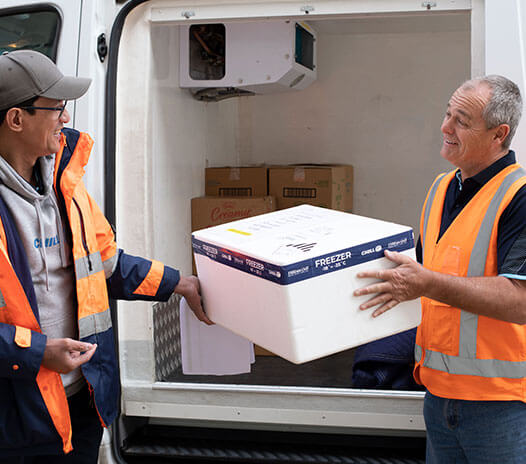
Refrigerated vehicles move products between facilities, distribution centres, and retail locations. Temperature must remain stable throughout transit.
Cross-Docking & Handling
Goods may be transferred between vehicles or distribution points, sometimes within tight timeframes.
Last Mile Delivery
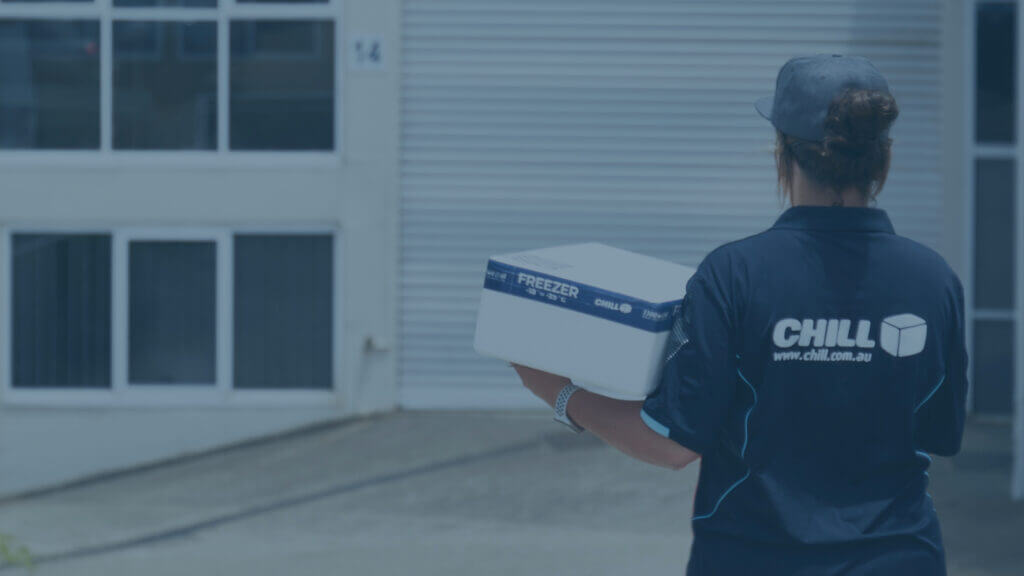
Final delivery to stores, restaurants, pharmacies, or customers. Timing, handling, and condition all come under scrutiny, and any lapse here is immediately visible.
With the right cold chain logistics process in place, every stage is coordinated for a seamless transition that maintains temperature and product integrity.
Key Components of a Reliable Cold Chain
Your first thought is usually refrigerated trucks. That’s part of the picture, but a reliable cold chain logistics process depends on far more than transport alone. It is a combination of infrastructure, technology, and people working together within a controlled system to deliver consistent results.
Refrigeration systems need to be robust and properly maintained to hold stable temperatures at every stage. Packaging plays a critical role in protecting products during handling and transit, while monitoring technology provides real-time visibility so issues can be identified and addressed early. Documentation underpins the entire process, supporting compliance and traceability.
People carry just as much responsibility as the equipment. Teams need a clear understanding of the products they handle and what is at stake if standards slip. Training builds consistency, so procedures are followed the same way every time.
Cold chain logistics processes connect all parts of the system. Clear protocols for handling, loading, unloading, and responding to temperature changes create a level of control that reduces variability and limits risk.
Common Challenges in Cold Chain Logistics
When it comes to cold chain logistics, the risks are real.
Temperature breaches remain one of the most common issues. Delays introduce another layer of risk. When shipments are held up, the margin for maintaining temperature narrows. Equipment failures, traffic conditions, and scheduling issues also play a role.
Fragmentation is a less visible but equally significant challenge. When multiple providers handle different parts of the journey, accountability becomes diluted. Communication gaps emerge, and visibility is reduced.
Lack of real-time data compounds these problems. Without clear insights into what is happening at each stage, businesses are left reacting to issues after the fact rather than preventing them.
How Technology Improves Cold Chain Performance
Technology offers reliability and trust in cold chain logistics. Real-time tracking allows shipments to be monitored end-to-end, providing round-the-clock temperature conditions over the entire journey. Sensors and data & temp loggers capture this detailed information, providing a clear record for compliance and reporting.
A technology-led approach shifts the focus from reactive problem-solving to proactive management. When a temperature deviation is detected early, corrective action can be taken before the product is compromised.
For businesses, this level of cold chain visibility provides confidence in the supply chain.
Choosing the Right Cold Chain Logistics Partner
Selecting a cold chain logistics partner is a decision that shapes how your entire operation performs.
Reliability is the starting point, but it is not enough on its own. You need a partner who offers full visibility across the supply chain, with access to data, clear communication, and transparency around performance, while also having the capacity to scale alongside your business.
An integrated cold chain logistics approach, where a single provider manages the end-to-end process, creates stronger outcomes. It reduces fragmentation, improves coordination, and establishes a clear line of accountability across every stage of the cold chain.
Maintaining temperature control across varying conditions requires a well-managed system with no weak links. The objective remains consistent throughout, which is to protect your product, your brand, and your customers’ trust at every step.
Frequently Asked Questions
What are cold chain logistics in simple terms?
Cold chain logistics is the process of transporting and storing products that need to stay at a specific temperature so they remain safe and effective.
How does cold chain logistics work?
It works by maintaining controlled temperature conditions across every stage of the supply chain, from collection and storage to transport and final delivery, using specialised equipment and monitoring systems.
What products require cold chain logistics?
Products such as fresh food, frozen goods, dairy, meat, pharmaceuticals, vaccines, and some cosmetics require cold chain logistics to maintain quality and safety.
What happens if the cold chain is broken?
If the cold chain is broken, products can spoil, lose effectiveness, or become unsafe. This can lead to rejected shipments, financial losses, and damage to brand reputation.
What are end-to-end cold chain logistics?
End-to-end cold chain logistics refers to managing the entire process from origin to delivery under consistent temperature control, ensuring continuity and reducing risk across the supply chain.